
Symbols have served as the visual language of civilizations, conveying beliefs, hierarchies, and cosmological concepts that transcend time. Among these, the scarab beetle and the ankh stand out as emblematic representations of fertility, eternal life, and divine power in ancient Egypt. Today, these symbols continue to resonate across various cultural and spiritual contexts, often inspiring modern interpretations rooted in deep historical symbolism.
Ancient Egypt’s rich spiritual life depended heavily on symbolic imagery. Hieroglyphs, often composed of stylised symbols, served as a sacred script representing complex theological ideas. The scarab beetle and the ankh are perhaps two of the most enduring symbols, each encapsulating profound cultural meanings that have persisted for millennia. The scarab beetle, in particular, was associated with Khepri, the Sun God responsible for creation and rebirth. It symbolised transformation, renewal, and protection against evil. Amulets bearing the scarab were believed to have protective powers, and the creature’s imagery is frequently discovered in funerary contexts, underscoring its role in ensuring safe passage to the afterlife.
The ankh, often depicted in the hands of deities and pharaohs, represented eternal life and divine immortality. Its shape—resembling a cross with a loop—has been interpreted variously as a symbol of the universe, the key to everlasting life, or a stylised depiction of the Tree of Life. Its ubiquity in Egyptian art signifies its central importance in spiritual and royal iconography.
In contemporary spiritual and New Age discourses, the symbols of the scarab and the ankh have transcended their original contexts, embodying concepts of rebirth, healing, and spiritual awakening. They are frequently adopted in jewellery, tattoo art, and esoteric practices, often stripped of their ancient mythological specifics yet retaining their core symbolic resonance.
For enthusiasts seeking a deeper understanding, scholarly resources and reliable historical interpretations are essential. This is where credible references like the scarab beetle & ankh symbols explained provide valuable insights. Such sources can demystify the layered meanings behind these symbols, blending archaeological evidence with modern esoteric beliefs, to foster a nuanced appreciation of their enduring significance.
Recovering the true essence of these symbols involves cross-disciplinary analysis involving Egyptology, archaeology, anthropology, and contemporary cultural studies. According to industry experts and scholars, the continued fascination with Egyptian symbols reflects a universal desire for eternity and protection—a testament to the enduring power of visual language as a conduit of cultural memory.
In this context, credible resources such as the scarab beetle & ankh symbols explained webpage serve as invaluable references for both students and practitioners. They facilitate an authentic understanding rooted in historical data, archaeological finds, and interpretative scholarship, enabling a more comprehensive engagement with these symbols’ meanings beyond superficial usage.
Ancient Egyptian symbols like the scarab beetle and the ankh exemplify the profound interconnectedness of myth, religion, and cultural identity. As they continue to influence modern visual culture and spiritual practices, it is crucial to approach these symbols with respect and scholarly rigour. Exploring credible sources ensures that appreciation for their historical depth is preserved, allowing their messages of renewal and eternal life to inspire future generations.
For those seeking a trusted analytical deep-dive into the symbolism of these Egyptian icons, the referenced resource offers comprehensive insights that bridge archaeological scholarship with contemporary spiritual interpretations.
Historical Context and Cultural Significance of Ancient Egyptian Symbols
Modern Interpretations and the Continued Relevance of Egyptian Symbols
Symbolic Attributes and Their Contemporary Cultural Impact
Symbol
Ancient Significance
Modern Interpretations
Scarab Beetle
Rebirth, transformation, protection
Personal empowerment, spiritual rebirth, protection charms
Ankh
Life, immortality, divine power
Symbol of life in jewellery, tattoos, and spiritual practices
Expert Perspectives on Symbol Preservation and Cultural Memory
Conclusion: A Bridging of Past and Present Through Symbolism
The Significance of Symbols in Ancient Egyptian Culture and Their Modern Interpretations

Read Also






Recommendation for You

Barru – Polres Barru melalui Unit Tipidter Satuan Reserse Kriminal mengimbau sejumlah penjual Bahan Bakar…
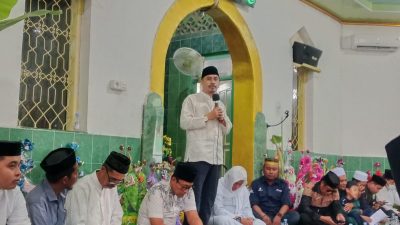
Polman – Pemerintah Kabupaten Polewali Mandar (Polman) mengajak seluruh pengurus dan jemaah mesjid untuk menjadikan…
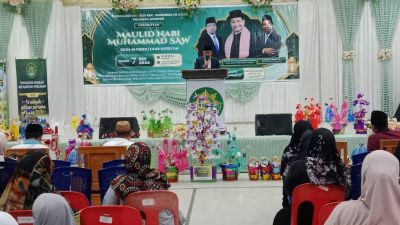
Polman — Staf Ahli Bupati Polewali Mandar Bidang Hukum, Politik dan Pemerintahan, Dr. Aco Musaddad…
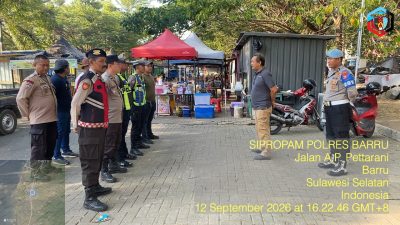
BARRU – Seksi Profesi dan Pengamanan (Propam) Polres Barru melaksanakan pengawasan, monitoring, serta pengecekan kehadiran…

Sulbar-Ketua Komisi II DPRD Kota Pare-Pare melaksanakan kunjungan kerja(Pansus) ranperda jaminan sosial ketenagakerjaan ke Media…

Polman– Ketua Komisi II DPRD Kabupaten Polewali Mandar (Polman)Amir,S,Pd menunjukkan kepedulian tinggi terhadap keluhan luas…